OF MUSIC AND MEMORY
From gospel to rhythm and blues to country music, Black women have had a significant influence on the development of musical styles; however, these women are not often commemorated publicly. This project proposes historic plaques, signage, and markers for the Nashville commemorative landscape to honor two such women: Mrs. Leona Douglas-Chambers and Ms. Eugenia JoAnn Sweeney. The goal of this research is to bring the stories of two Black women’s contributions to country music history to broader public attention by developing ethical partnerships with community members to co-create histories supplemented by archival research and highlighting several locations significant to each woman.

Leona Douglas-Chambers
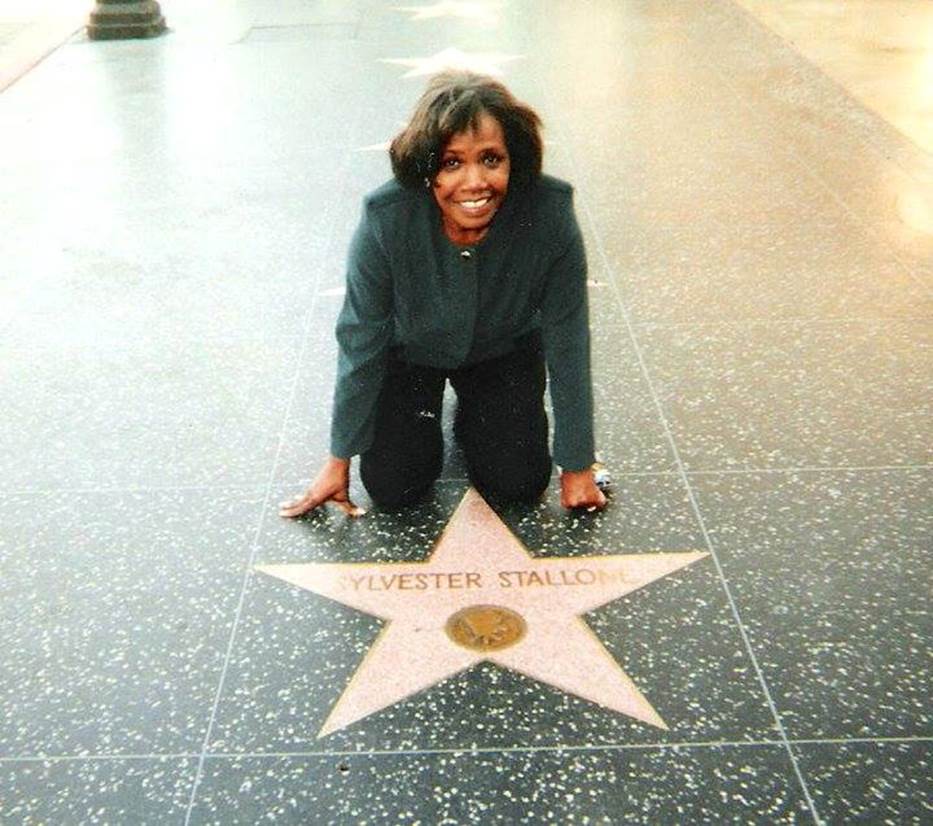
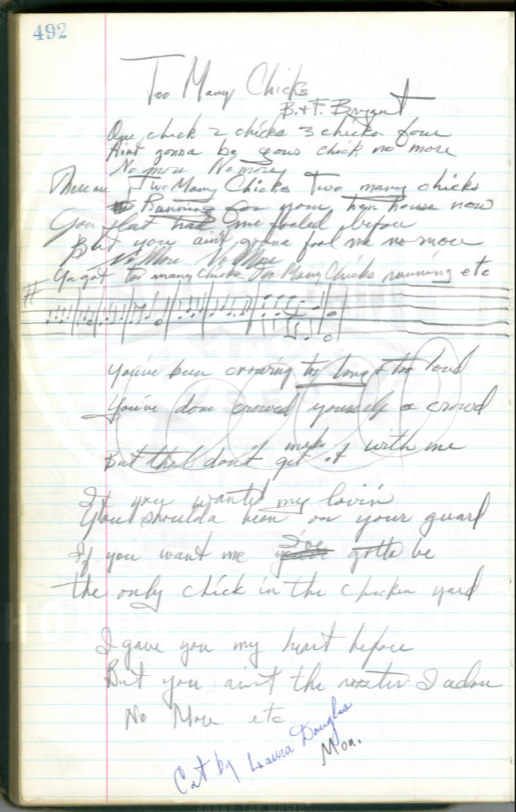
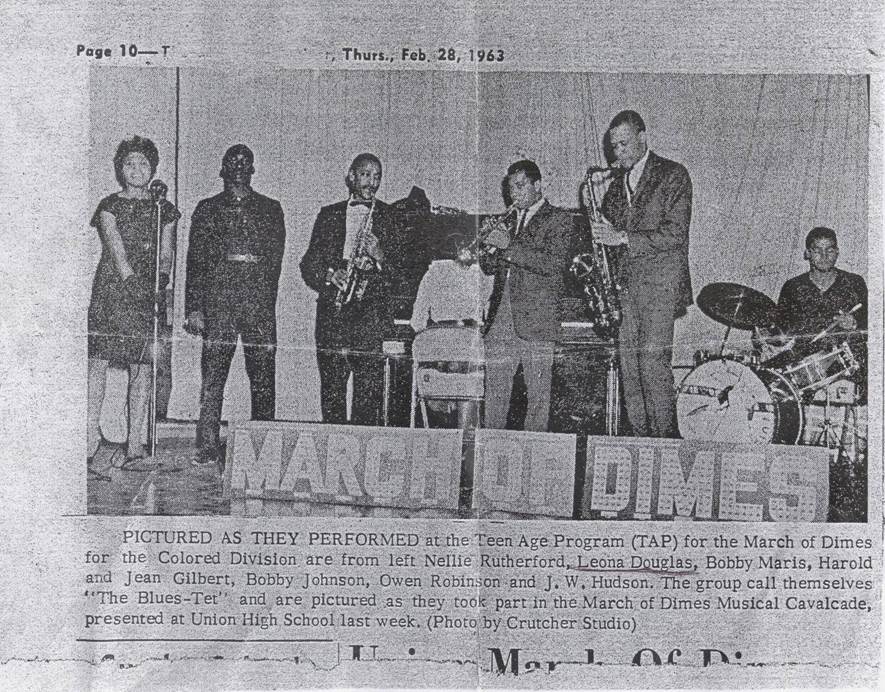
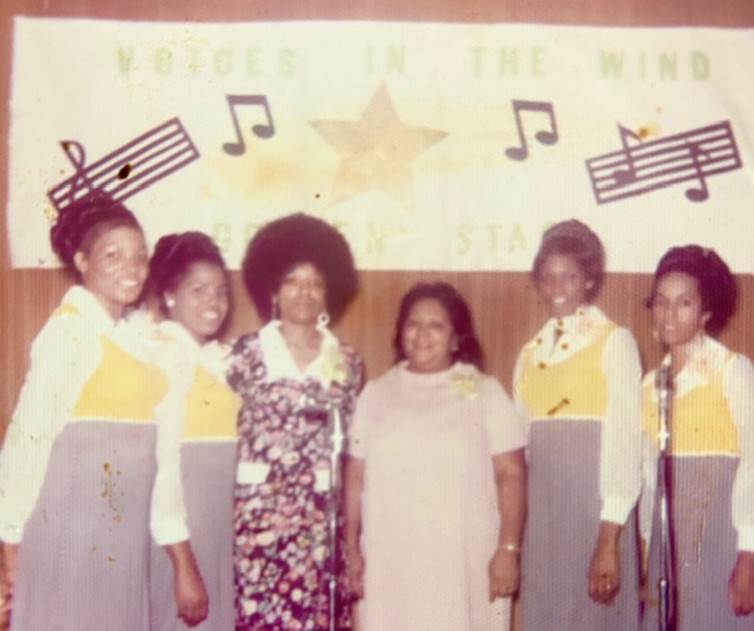
On September 5, 1967, an up-and-coming country music singer took center stage at the Porter Waggoner Show for the first time. With her golden hair piled high into a bouffant and wearing a red sleeveless dress with a matching brooch, Dolly Parton belts out “Dumb Blonde” – a song that, earlier that year, had become her first Billboard charting hit. [2] Dolly Parton was fresh off the release of her first full-length album, titled Hello, I’m Dolly, with Monument Records, and her appearance on the show became a pivotal moment in her meteoric rise to the top of the country music charts. But before Dolly Parton, there was Leona Douglas.
Five years prior to Hello, I’m Dolly, Leona Douglas attempted to jumpstart her career through Monument Records and was working directly with Fred Foster, the man who would eventually sign Dolly Parton to the label. Ms. Douglas’ country career was brief and by the time “Dumb Blonde” began climbing the charts she had already transferred to a new label singing R&B music. However, Leona Douglas’ presence as one of country music’s earliest Black performers and first Black female recording artist cements her place in the story of country music history. Leona Douglas’ was a trailblazer in country music and by analyzing her life, work, and contributions we can better understand appropriate ways her role can be commemorated on the landscape.
Eugenia Jo Ann Sweeney
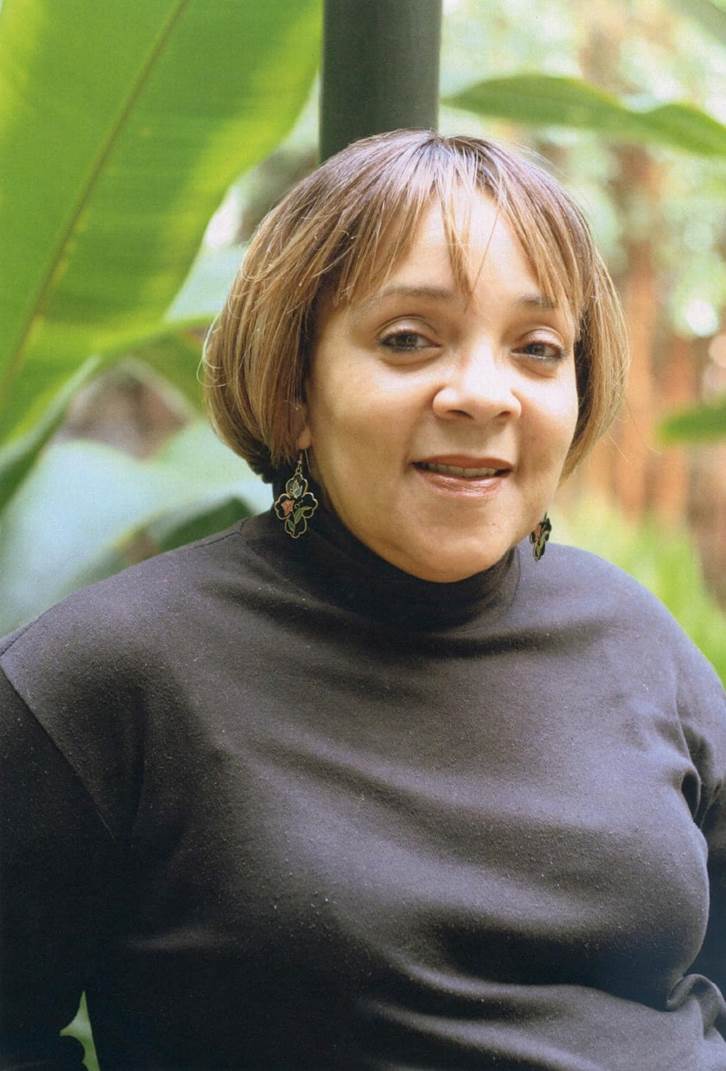
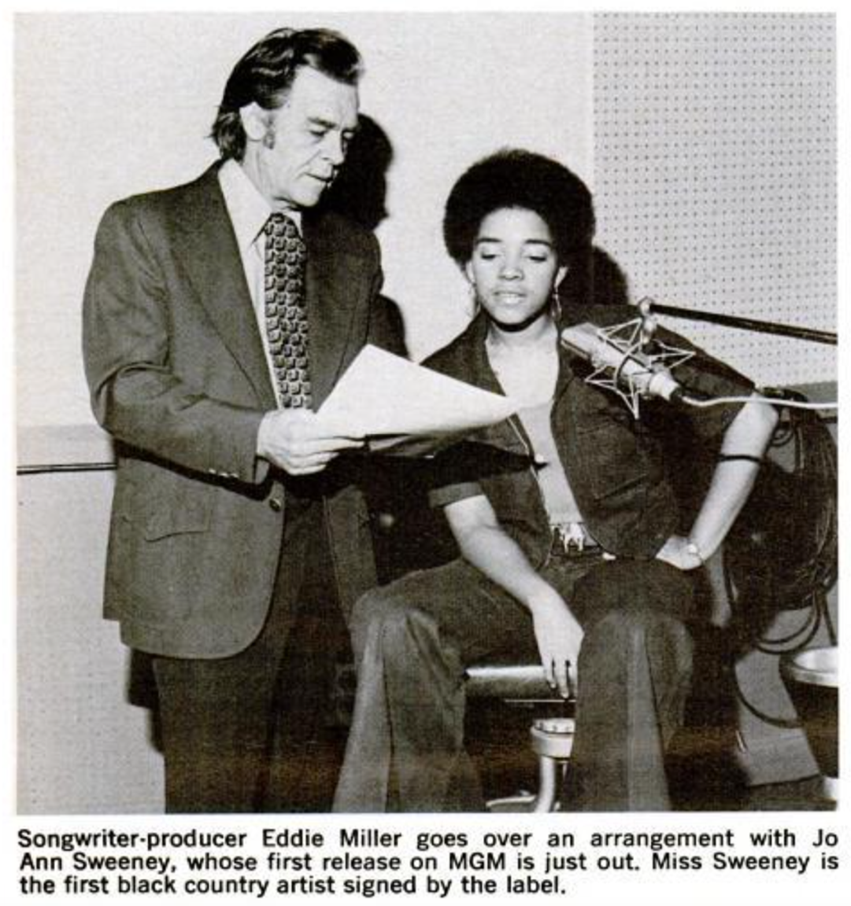
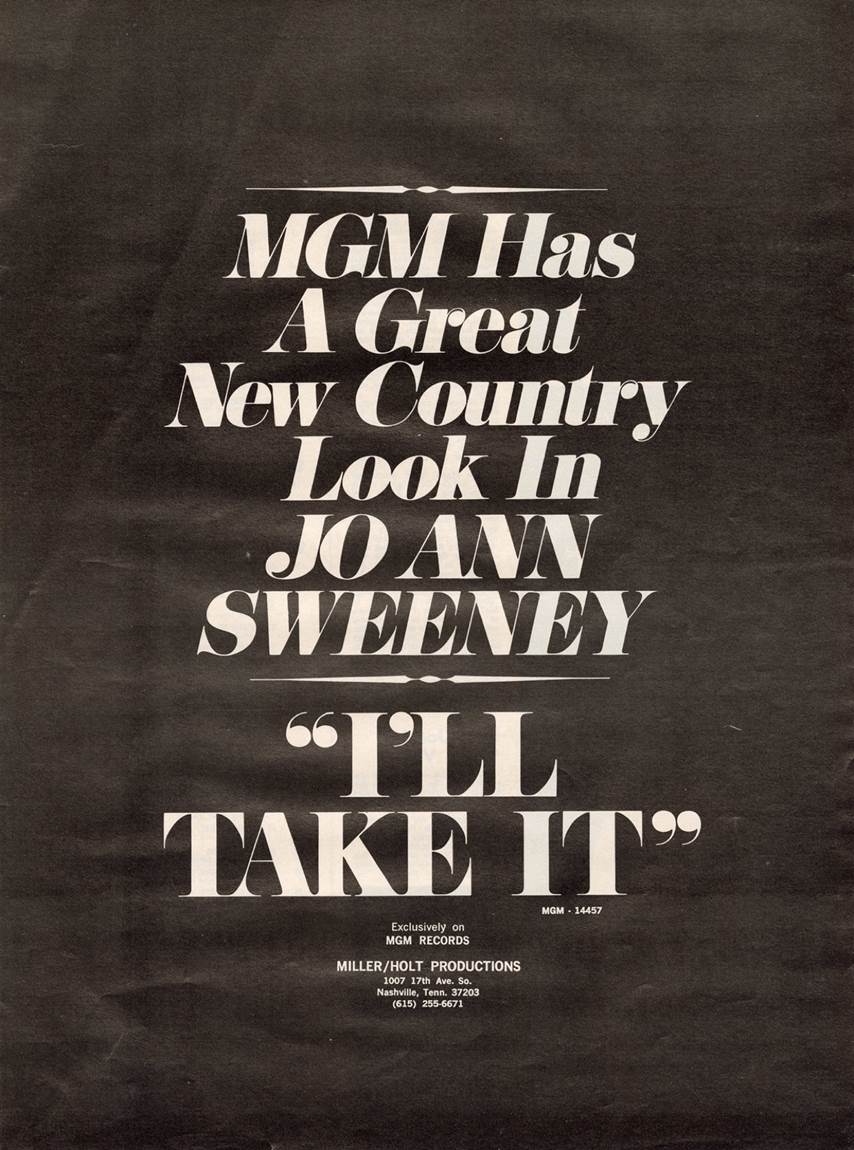
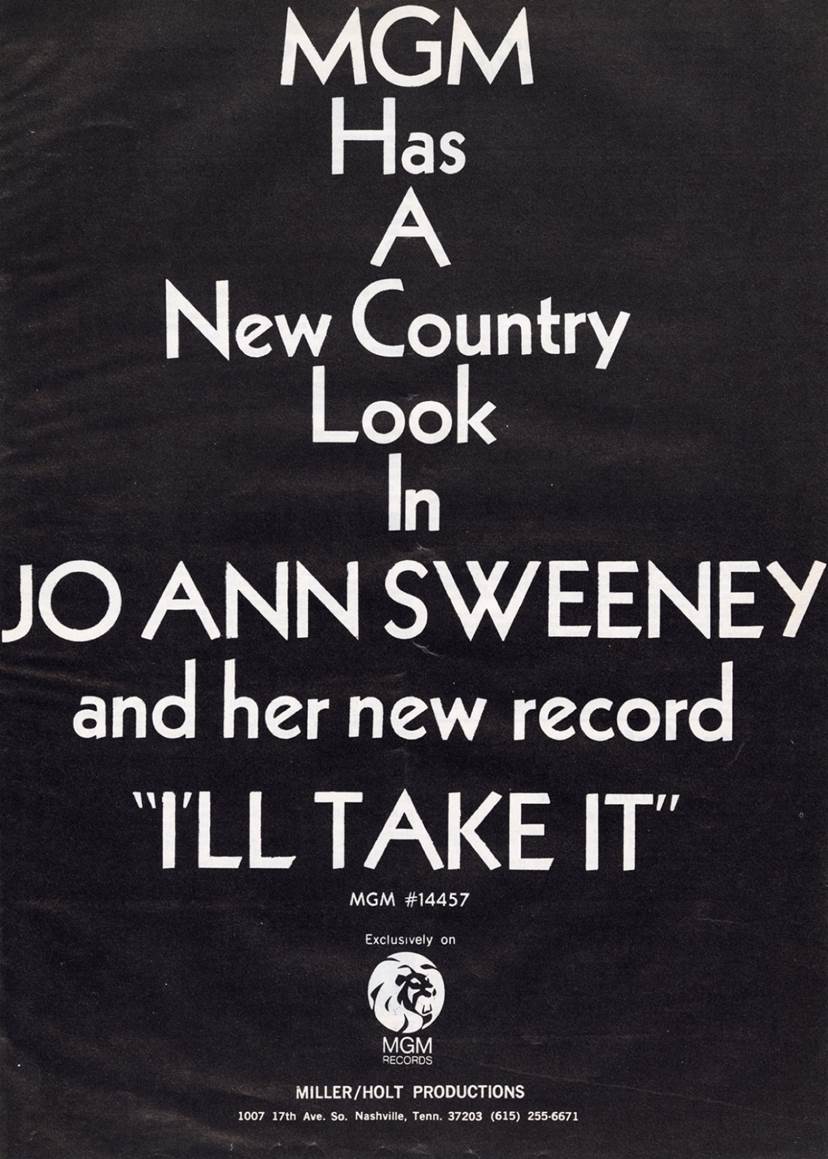
Ms. Sweeney’s decision to record country music was risky. As stated by Rolling Stones writer David Brown, “Black contributions — from the banjo to string music to the harmonica — were among the building blocks of country music, but Black singers had, by the Sixties, made few inroads into the genre . . . And the few Black artists who had consistent hits in country . . . were men.”
Ms. Sweeney recalled deliberating the risks that inevitably would follow success. “I think because of the era, my first concern was how well would it go over? Because it was certainly nothing common. If I were doing R&B or something like that my attitude about it would’ve been different. But I immediately started thinking, ‘Well, what if this does happen? What about when I have to go on the road and make personal appearances? What’s going to happen then? How am I going to be treated? What’s going to be the attitude?’ That’s what was going through my mind. I had concerns about that. You have to remember that the Voting Rights [Act] had only been passed only five years before this happened. So that was my main concern. ‘Would I have to go through the back doors and go through the kitchen instead of the front door?’”
This project has been led by Danny Harp, Masters candidate at MTSU and Lead Historian and Fundraiser for The Bridge Public History Consulting.
Next steps!
Thanks so much for your interest in following this ongoing project! Contact us below to be updated on future events, blog postings, and advancements.


 Of Music and Memory